
The U.S. labor market showed clear signs of stress in November. The economy added only 64,000 new jobs, and the unemployment rate rose to 4.6%, the highest level in four years. This data highlights a sharp change from the strong job recovery seen after the pandemic and raises new concerns about the direction of the American economy.
For much of 2023 and 2024, the U.S. enjoyed a tight labor market. Companies hired aggressively, wages grew, and unemployment stayed near historic lows. That trend began to weaken in 2025. Month after month, job growth slowed. By November, the slowdown became hard to ignore.
According to the latest jobs report, employers added just 64,000 jobs in November. Most of these jobs came from the private sector. Government employment, however, took a hit earlier in the fall. October data is missing due to the government shutdown, but available information shows that many public-sector workers lost jobs during that period. The shutdown directly disrupted federal operations and reduced payrolls.
At the same time, the unemployment rate climbed to 4.6%, up from 4.4% in September. This is the highest level since 2021. The rise signals that fewer people are finding work quickly and that companies are becoming more cautious about hiring.
Several factors are driving this shift. High interest rates continue to weigh on the economy. Borrowing has become expensive for businesses and consumers alike. As a result, companies have slowed expansion plans and delayed new projects. Industries like construction, manufacturing, and real estate have felt the pressure most because they rely heavily on loans and long-term investment.
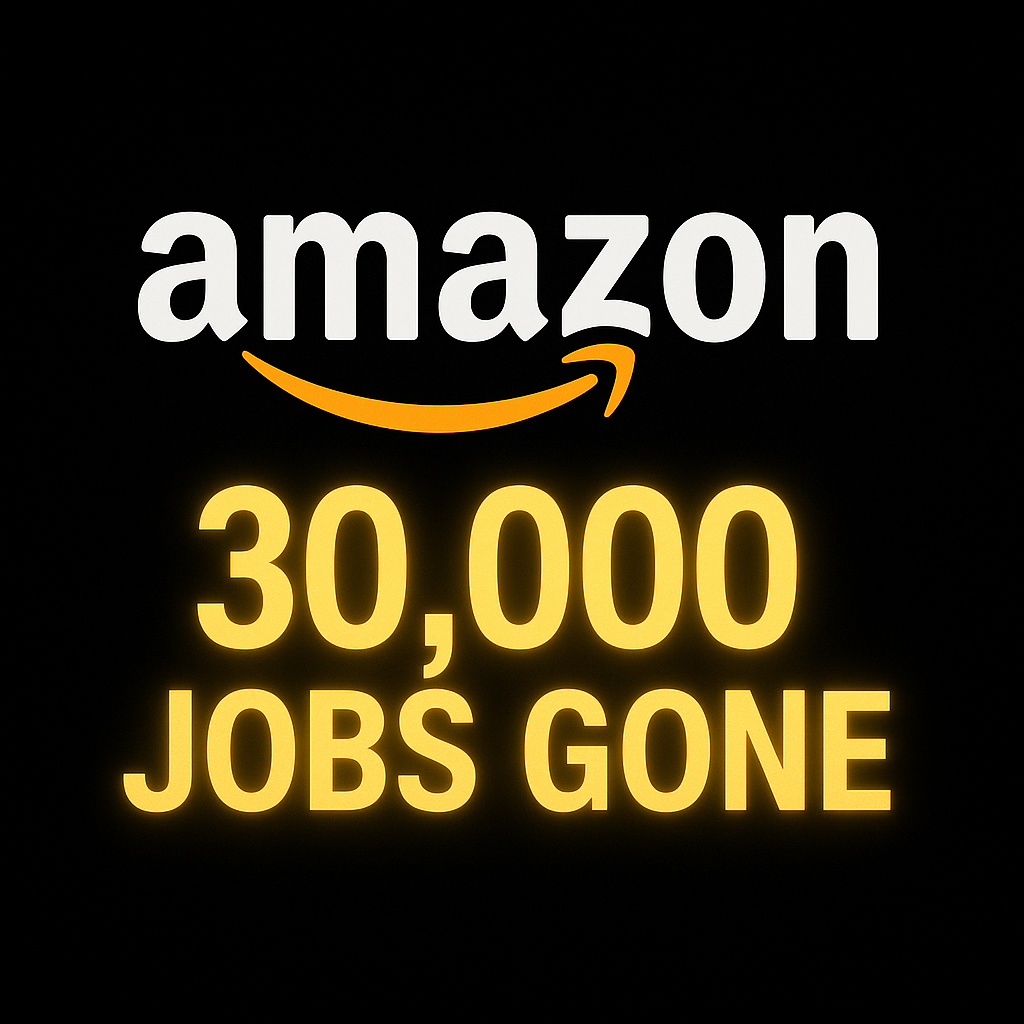
Layoffs also increased during the year. Data from Challenger, Gray & Christmas shows that employers announced more than one million job cuts in 2025. This is the highest number since the pandemic years. Technology firms, financial companies, and professional services led these cuts. Many firms focused on cost control as profits came under pressure.
Experts say the labor market is weakening but not collapsing. Brian Coulton, chief economist at Fitch Ratings, noted that the data does not settle debates about the overall health of the job market. However, when combined with other signs like rising jobless claims and fewer job openings, the trend points to a clear slowdown.
The impact of rising unemployment has not been equal for everyone. Jobless rates for Black Americans and teenagers increased faster than the national average in late 2025. This pattern often appears during economic slowdowns and highlights deeper vulnerabilities in the labor market. Young workers and minority communities tend to feel the effects first when hiring slows.
Another worrying sign is the length of unemployment. Many displaced workers now take longer to find new jobs. This suggests that openings are fewer and competition is rising. Delays in federal data collection, caused by disruptions like the government shutdown, have also made it harder to track the full picture in real time.
For policymakers, the rise in unemployment sends a strong message. They must balance efforts to control inflation with the need to support growth and jobs. Workforce retraining, skills development, and support for vulnerable groups may become more important in the months ahead.
For workers and households, the message is clear. The labor market is less predictable than it was a year ago. Families may need stronger financial cushions, and workers may need flexibility to adapt to changing job conditions.
As 2025 comes to a close, the U.S. labor market stands at a turning point. The era of rapid hiring has slowed, and uncertainty has returned. How leaders respond now will shape job prospects and economic confidence in the years ahead.